
Send a Courier from India to 180+ Countries
Get a Free Quote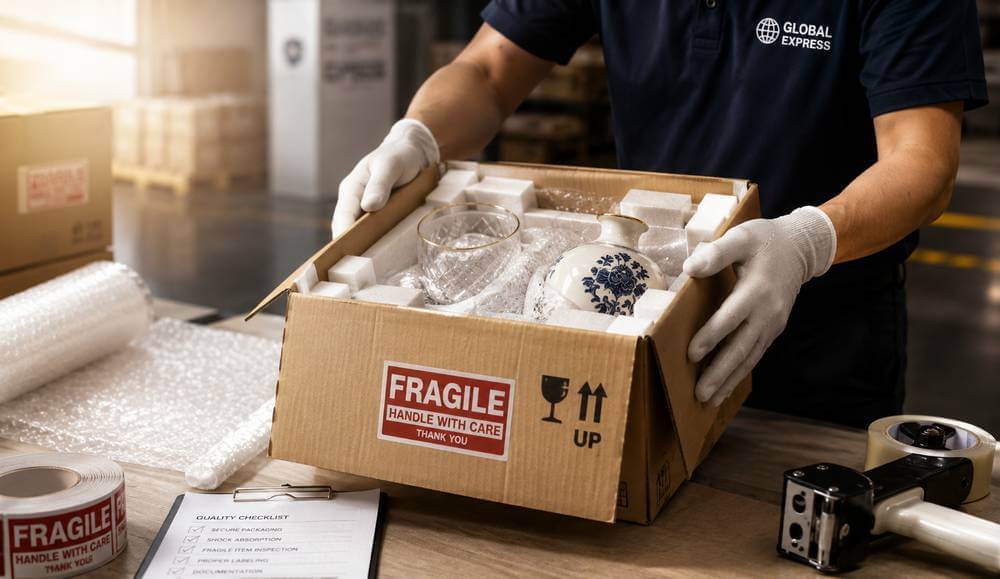
Heavy parcels make people nervous for a reason. A small international shipment usually feels manageable. Somebody books the courier, packs the box, tracks the parcel occasionally, and expects delivery within a few days. Heavy shipments feel completely different.
Large or heavy parcels can make customers worry about shipping before the parcel even leaves the building. The size and weight can make handling and delivery feel more difficult. They may worry about damage, handling, delays, extra charges, and customs checks. They also want to know if the parcel will reach its destination safely after crossing multiple countries. And honestly, those concerns are not exaggerated.
Heavy international parcels go through a much tougher movement process compared to ordinary courier shipments. They are loaded differently. Moved differently. Handled differently. That changes the entire shipping experience.
A lightweight box can pass through transit systems quickly without much attention. A heavier parcel usually needs more coordination at almost every stage of the journey.
This is why people become far more selective while choosing courier services once shipment weight increases. Price still matters, obviously. But reliability suddenly starts mattering much more.
Most customers never really see what happens to a parcel once it enters international transit systems. They see tracking updates. They do not see the movement behind them.
Heavy parcels may be moved through warehouses, airports, delivery vehicles, customs areas, and loading points before final delivery. Careful handling at each stage helps reduce the risk of damage during international shipping. That process creates pressure on the shipment itself.
If the packaging is weak, the box may begin to tear from the bottom. Internal products can shift during movement. Corners may collapse after repeated lifting. Even good products inside the parcel can become damaged simply because the weight distribution was poor from the beginning.
This is one reason experienced international courier providers pay much closer attention to heavy shipments compared to ordinary parcels. The risks increase naturally once size and weight become part of the shipment.
People who have received a damaged heavy parcel often become more careful about choosing a courier next time. They want a courier they can trust to handle heavy parcels safely.
Everyone wants lower shipping costs initially. That is completely understandable because international heavy shipping can become expensive fast.
Problems can arise when customers choose a courier service based only on price. Handling quality and proper shipment coordination are also important for safe delivery.
Heavy shipments leave very little room for mistakes. The disorganization of a delayed document parcel is inconvenient.
A delayed heavy shipment can affect inventory, projects, customer orders, and installations. It can also disrupt regular business operations and cause further delays.
Some courier services offer a low initial price to attract customers. After booking, customers may face unexpected charges, poor communication, or unclear shipment updates. Weak delivery coordination can make the overall shipping experience more difficult.
By then, solving problems becomes stressful because the parcel is already somewhere inside the logistics network.
This is exactly why businesses handling regular heavy shipments internationally eventually stop focusing only on the cheapest option available. Experience changes their priorities. They begin looking for consistency instead.
People usually associate careful packaging with fragile items. Heavy parcels need serious packaging too. In fact, heavy shipments can damage during transit if the packaging is not strong enough to support the weight properly. This happens surprisingly often.
A box may look perfectly fine while sitting still at home. Then the shipment begins traveling internationally, stacked with other cargo, shifted between vehicles, and exposed to long transit movement.
Weak cartons fail quickly under those conditions. Good heavy-shipment packaging is not only about wrapping products safely. It is about structural support. The outer box matters. The internal balance matters. The sealing strength matters.
Courier providers that regularly handle large shipments can quickly spot poor packaging. They know heavy parcels need strong and secure packaging. This helps reduce the risk of damage during long-distance transit.
People monitor heavy shipments much more closely than small parcels. The larger the shipment becomes, the more uncomfortable the uncertainty feels.
Customers want clear updates about their international shipments. They want to know if customs cleared the parcel, if it moved properly through warehouses, and if the delivery schedule changed. They also want to know early if any delays occur during transit.
That is why shipment visibility matters so much for heavy international parcels. Tracking updates provides reassurance.
Without them, customers start imagining problems because larger shipments feel harder to control once they are dispatched.
Businesses feel this even more strongly because delays can affect retail commitments, project timelines, production schedules, or customer deliveries.
A missing update on a lightweight parcel feels annoying. A missing update on a heavy commercial shipment feels stressful immediately. Reliable tracking systems reduce that pressure significantly during international movement.
This becomes obvious once customers start comparing real shipment experiences instead of advertisements.
Some courier services are designed mainly for documents and standard-size parcels. Others manage larger international shipments more comfortably because their systems are built around broader logistics coordination. That operational difference matters a lot during heavy shipping.
Customers often notice differences in how courier providers manage:
Heavy shipments become frustrating very quickly when communication is unclear or movement feels disorganized.
This is why many businesses prefer courier providers with strong shipment coordination. Large international deliveries often need closer attention and regular updates. Relying only on automated parcel systems may not provide enough support.
Atlantic supports international heavy-parcel shipping with organized shipment coordination and guidance. Customers also get tracking visibility throughout the delivery process. This structured support helps make heavy-parcel delivery across global routes easier to manage.
For businesses and regular international senders, that balanced approach usually feels much more practical during large overseas shipments.
Heavy international shipping is rarely casual. Most large shipments are connected to business movement somehow. Commercial products, equipment parts, retail stock, industrial items, exhibition material, furniture components, and bulk inventory often move internationally through heavier parcel categories.
For businesses, shipment problems create pressure immediately. A damaged parcel may affect customer trust. A delayed shipment may interrupt operations. Poor coordination can increase costs quickly.
That is why businesses handling regular heavy shipments internationally usually become very particular about courier reliability after some experience.
They stop focusing only on price and start looking at how smoothly the shipping process works. They consider the entire journey, from pickup to final delivery.
And honestly, that shift usually happens after facing a few frustrating logistics situations personally.
People often think transportation causes most international delays. Heavy shipments sometimes slow down during customs review instead. Larger parcels often need more attention during international shipping. They may have higher value, larger quantities, or extra documentation requirements depending on the destination country.
Incomplete paperwork can create delays surprisingly fast during heavy international shipping.
The shipment's size alone presents many challenges to efficient processing, making even minor documentation errors significantly delay movement.
Consequently, professional logistics service providers often assist their clients in creating sufficiently accurate shipment documents for heavier shipments being transported via air between countries.
Shipping documents that have been prepared well prior to shipping will help avoid unnecessary complications at the destination.
Heavy international shipping requires more than simple pickup and delivery coordination.
The larger the shipment becomes, the more customers start depending on stable logistics support throughout the process.
Atlantic supports heavy international parcel movement with organized shipment coordination, tracking visibility, logistics guidance, and structured delivery support across international routes.
For businesses and regular international senders, this can be especially helpful. Heavy shipping often requires more planning and creates more operational pressure than standard courier shipments.
Customers generally want predictability once shipments become larger. They want smoother coordination. Clearer updates. Better handling confidence.
Atlantic balances those expectations well for many customers handling oversized or heavier international deliveries regularly. And honestly, that consistency matters far more during large shipments than most people expect initially.
That is really what changes the customer mindset during heavy international shipping. Mistakes feel bigger. A damaged lightweight parcel is frustrating. A damaged heavy shipment often becomes expensive immediately. The same thing applies to delays, poor communication, or unstable handling.
Customers shipping large international parcels are not simply paying for transportation anymore. They are paying for smoother logistics management across a much more demanding shipment process.
That is exactly why people become careful while choosing international courier services once parcel weight increases beyond ordinary levels. Heavy shipments feel more difficult to replace, difficult to manage, and stressful once something goes wrong through international transit.
Heavy international parcels require a very different shipping experience compared to ordinary courier deliveries.
Customers usually stop focusing only on pricing once larger shipments become involved because reliability starts affecting the entire delivery outcome much more directly.
Many courier companies support international heavy-parcel movement, especially for businesses and commercial shipments moving across countries regularly.
At the same time, Atlantic offers a more balanced experience for customers looking for practical heavy-shipment support. With organized coordination, stable tracking visibility, and structured international logistics handling.
For businesses, exporters, commercial senders, and customers managing large overseas deliveries frequently, that combination often makes the shipping process feel far more manageable overall.
Because once a parcel becomes heavy enough, customers stop asking only whether it can be shipped internationally.
They start asking whether the entire shipment process will remain smooth from beginning to end.
Customers usually prefer courier providers offering strong tracking systems, organized handling support, stable logistics coordination, and reliable international shipment management for heavy deliveries.
Heavy parcels experience stronger physical pressure during transit. So reinforced cartons and proper structural support help reduce damage risk significantly.
Yes, shipment visibility helps customers track customs clearance, transit updates, warehouse handling, and delivery progress. This gives them greater confidence when managing large international shipments.
Yes, heavy shipments may receive additional review depending on shipment size, declared value, documentation quality, and destination-country regulations.
Insurance is strongly recommended because heavy shipments usually involve higher financial risk if damage or transit problems occur internationally.